What do we do, how do we do it and how can it benefit you? 5 min Read with hyperlinks.
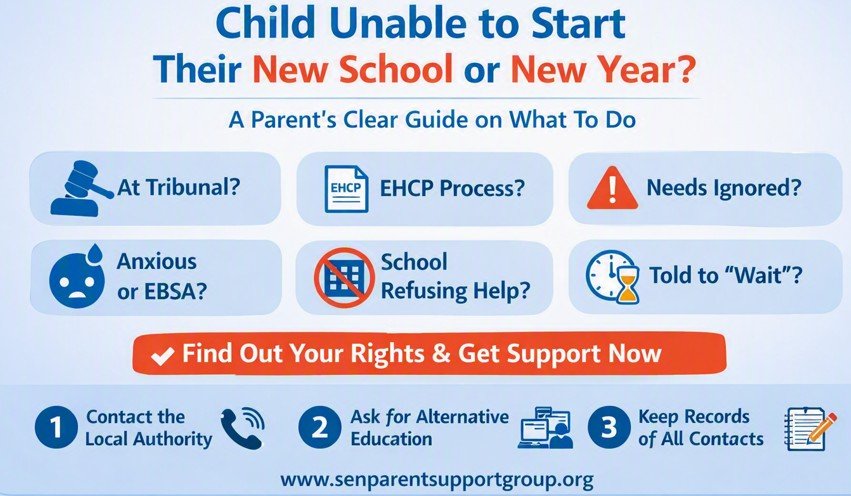
Child Unable to Start Their New School or New Year?
A saveable guide to support your request for Section 19 – by SEN Parent Support Group™
Understand how Early Help, CIN plans, reasonable adjustments, and EHCPNA all interact and why referrals are likely to increase under the new DfE absence and inclusion guidance.
Early Help is usually the first tier of support offered when a child or family is struggling. It isn’t a safeguarding measure; it’s a voluntary, preventative service designed to identify needs early and bring professionals together.

At Tribunal and need Case Management Support? The SENDIST Guardian is your wrap around support, here’s why!
The goal isn’t to turn you into a lawyer it’s to give you enough structure, visibility, and control that the Tribunal process stops feeling like something happening to you and starts feeling like something you’re actively steering.
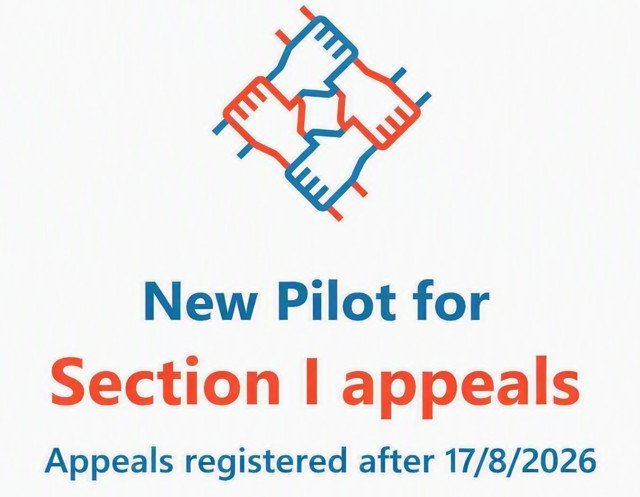
NEW ‘ONE TOUCH’ TRIBUNAL PILOT FOR SECTION I APPEALS
Families need to be aware that the SEND Tribunal has quietly launched a new “One Touch” Case Management Pilot” and it only applies to Section I appeals (placement disputes) registered on or after 17 August 2026. This changes the process in ways that will affect planning, evidence, and timelines.
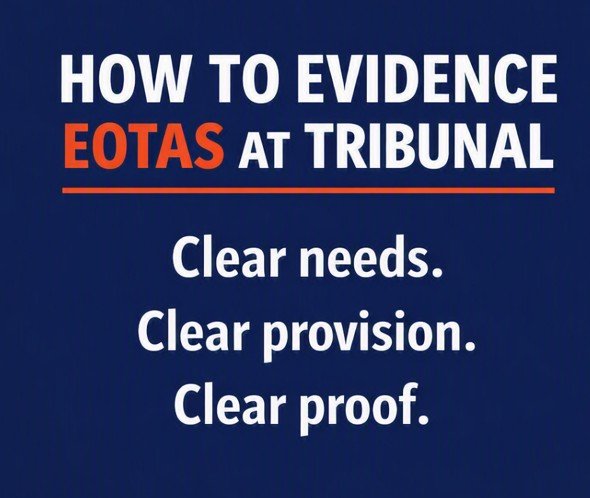
Evidencing EOTAS in a Working Document
When a parent is seeking EOTAS, the tribunal is not interested in opinions, preferences or “EOTAS would be nice”.
It is interested in evidence of need, evidence of why school cannot meet those needs, and evidence of what provision is required instead. The Working Document is where this becomes visible. Every line must link via need to provision to evidence
Consultations During Tribunals – What Parents NEED to know!
When a case goes to tribunal, one of the most confusing and anxiety provoking parts for parents is the Local Authority’s consultation process with schools. It often feels opaque, rushed, or strategically timed, and families are left wondering what is happening behind the scenes. In reality, the consultation process is one of the most important pieces of evidence the tribunal will look at, because it shows whether the LA has genuinely explored suitable placements or simply gone through the motions.
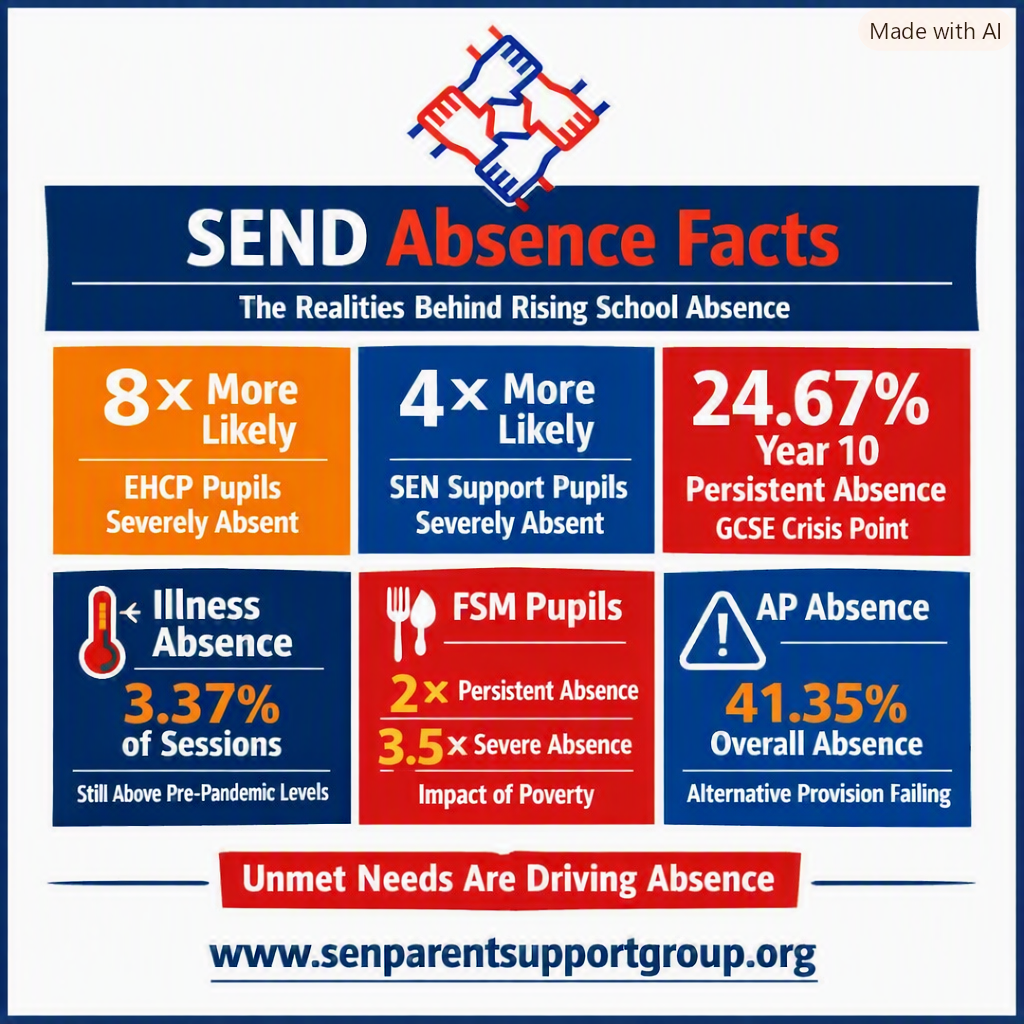
ABSENCE: FACTS, FIGURES AND OUR TAKE ON THE WHY?
Absence is rising again and the government’s own data makes one thing painfully clear: children with SEND are still being failed. Not because families don’t value education, not because parents aren’t “prioritising attendance”, but because the system designed to support their children simply isn’t functioning and hasn’t for a long time!
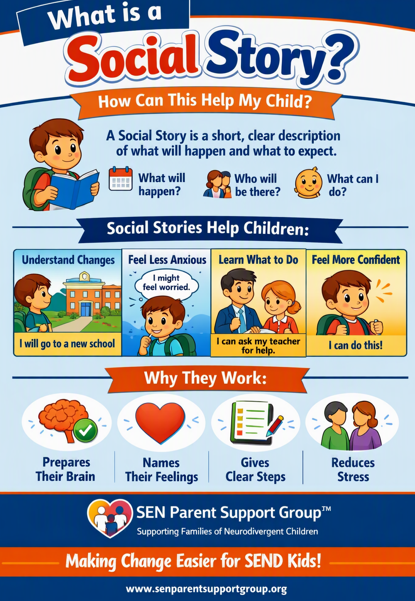
Social Stories: The Simple Tool That Makes Transitions Calmer for Neurodivergent Children
Social stories are one of the most widely used tools in SEND practice, yet most parents only encounter them when a transition is already going wrong.
At their core, social stories are short, personalised visual narratives that explain a situation in calm, concrete language. They give a child a preview of what will happen, who will be there, what the expectations are, and what they can do if they feel unsure.
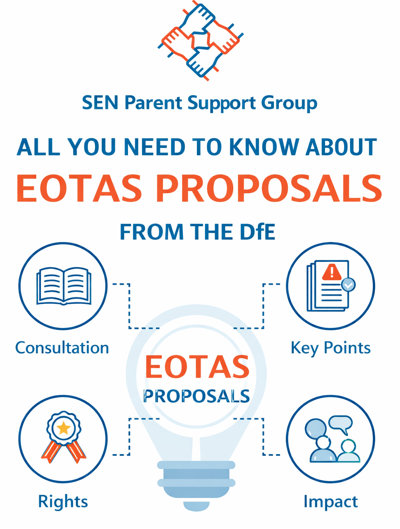
EOTAS PROPOSALS & PARENT CONSULTATION SUPPORT
Right now, EOTAS is a direct Local Authority responsibility written into Section F of the EHCP. Under the new model, a school becomes the accountable body even if the child cannot attend that school.
The DfE suggests this would “generally be a specialist setting,” not the school where the child previously experienced trauma or placement breakdown.