
Many parents look for therapists because their child’s mental health is declining. Sometimes the visible diagnosis (e.g., autism, ADHD) doesn’t capture how the child actually receives, processes, understands, or shows distress. A child might be ‘labelled’ but still struggle with: understanding spoken instructions (receptive language), finding words (expressive language), social back-and-forth (pragmatic skills), or sensory processing that changes how they perceive the world. These are needs from within not just labels and if they’re missed, the child can become anxious, withdrawn, oppositional, or shut down at school and home.

SENCO Offered To ‘HELP’ You Proof Read Your EHCP Draft?
When the Local Authority issues a draft Education, Health and Care Plan (EHCP), many parents breathe a sigh of relief. Finally, something is on paper. Often, the school’s Special Educational Needs Coordinator (SENCO) will offer to “look it over” and even make amendments for you. It sounds supportive, even generous. But here’s the uncomfortable truth: letting a SENCO take charge of your draft review can seriously undermine your child’s legal rights.

SEND Budget Announcement – Dec 25′
Yesterday’s Budget announcement landed with a big headline: from 2028–29, the government says it will take on the full cost of SEND centrally. Gasp….
…on paper, that sounds like a relief. For years, families like mine and the families I fight for each day have been caught in the middle of funding battles between schools and councils. The promise is that those arguments will finally end. But as I read through the detail, I couldn’t help asking: what does this really mean for us?

Why So Many Neurodivergent Children Struggle With Sleep And What the Evidence Tells Us
If you’re a parent of an autistic or ADHD child, you may already know the nightly battle: bedtime stretches late into the night, mornings feel impossible, and school attendance becomes a constant source of stress. What’s important to understand is that this isn’t just “bad sleep habits” UK research shows that disrupted or nocturnal circadian rhythms are part of the biology of neurodivergence.

Launching our SEND Advocacy APP’s! Powered by SEN Parent Support Group
Navigating the world of Special Educational Needs and Disabilities (SEND) can feel overwhelming. Between statutory duties, school processes, and the emotional toll of advocating for your child, parents often find themselves searching for clarity and structure. That’s why we’re excited to introduce two powerful resources designed to empower families: The SEND Bible and The SEN Journey Tracker.
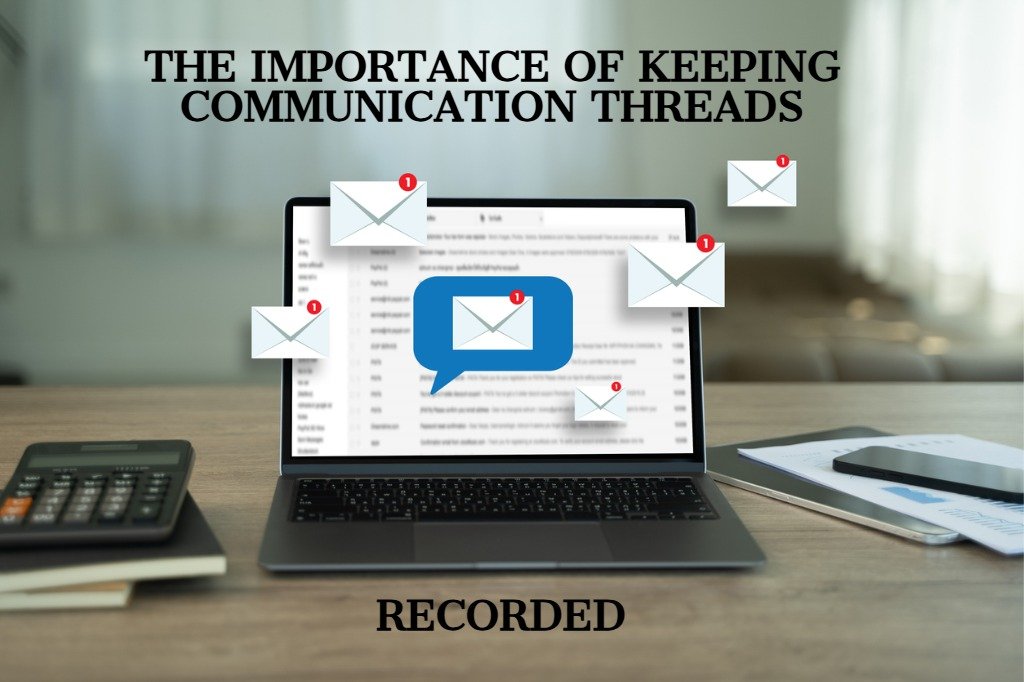
Why Every Message Matters: The Power of a Communication Trail in SEND Advocacy
When you’re advocating for your SEND child, every email, every form, every reply they’re not just admin. They’re evidence. They’re protection. They’re power. This is YOUR power!
In a system where delays, omissions, and miscommunications can derail support for months (or years), keeping a clear communication trail is not optional. It’s essential.
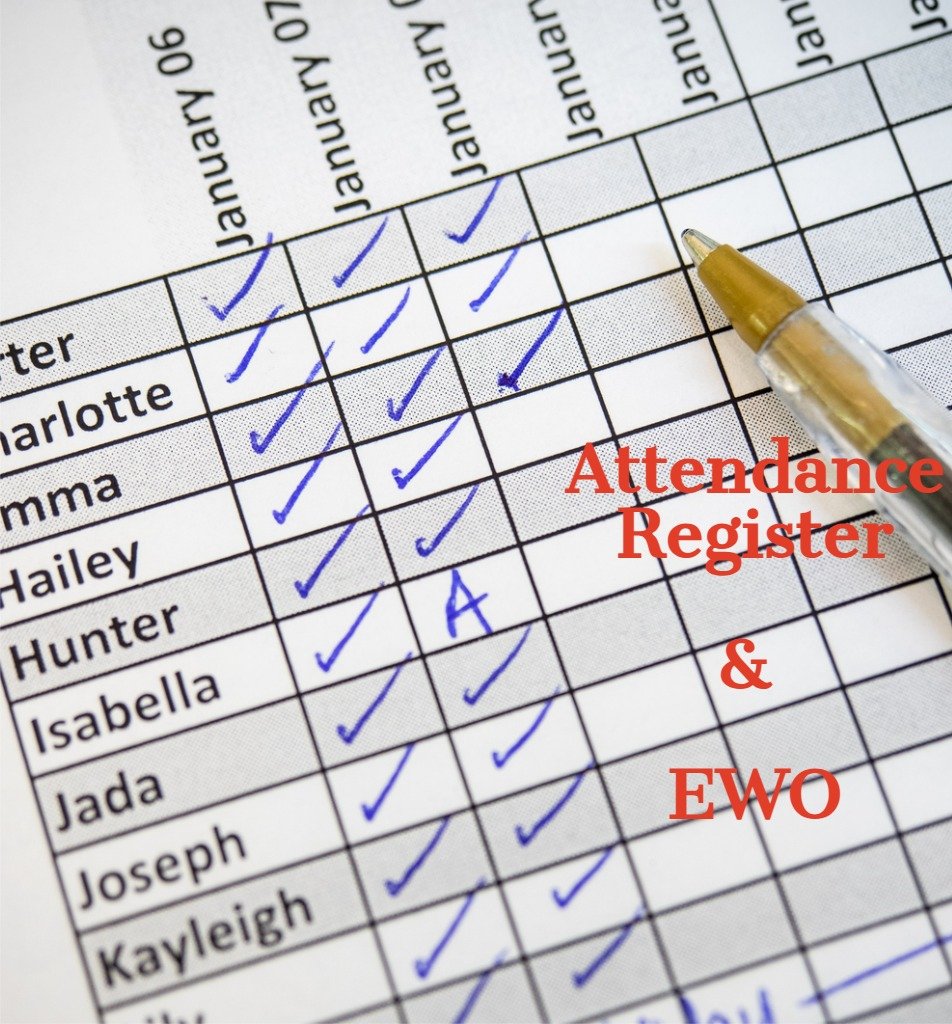
When School Refers You To The EWO (Education Welfare Officer) Due To EBSA.
So, your child’s absence has just been referred to the Education Welfare Officer (EWO). The school has marked those absences as unauthorised. You’re staring down the barrel of potential fines, threats of prosecution, and a system that seems to have forgotten its own statutory duties. We hear you!
Let’s be clear: this isn’t just about missed days. It’s about missed understanding. Missed compassion. Missed lawful processes by the School in question!
SEND45 Case Reviews! What Are They and How Do You Complete It…
If you’ve received a SEND 45 Case Review form from the First Tier Tribunal for SEND you’re likely at a pivotal point in your child’s journey as appointee or guardian within SENDIST First Tier Tribunal. This form is delivered within the bundle you receive after you have lodged your SEND appeal.
This is your opportunity to set the record straight, highlight procedural failings, and centre your child’s lived experience.
Here’s how to approach it with clarity, confidence, and statutory precision.

Isolation Isn’t Inclusion: Why Internal Exclusion Is Failing Our Children
In the quiet corners of our schools behind closed doors, in “reset rooms,” “calm spaces,” or “consequence booths” a troubling practice is unfolding. It’s called internal exclusion.

SEND Descriptors and the APDR Cycle: How Schools Should Use Your Child’s IEP
If you’ve ever wondered how schools are supposed to use your child’s IEP within the graduated approach, this blog is your roadmap. No fluff. Just clarity, compliance, and practical power.