Emotionally Based School Avoidance (EBSA) describes when a child or young person struggles to attend school because of anxiety, sensory overwhelm, trauma, unmet neurodivergent needs, or a combination of these factors. Early identification, a strengths‑based graduated response (Assess, Plan, Do, Review — APDR) initiated by schools together with a carefully staged reintegration plan are central to preventing long‑term exclusion and re‑establishing meaningful access to education. But it is never as straight forward as that, is it?

Section 19: When Education Must Be Secured Outside of School
For many SEND families, there comes a moment when school is no longer accessible whether due to unmet needs, emotional distress, or unlawful part-time timetables. That’s when Section 19 of the Education Act 1996 becomes critical.
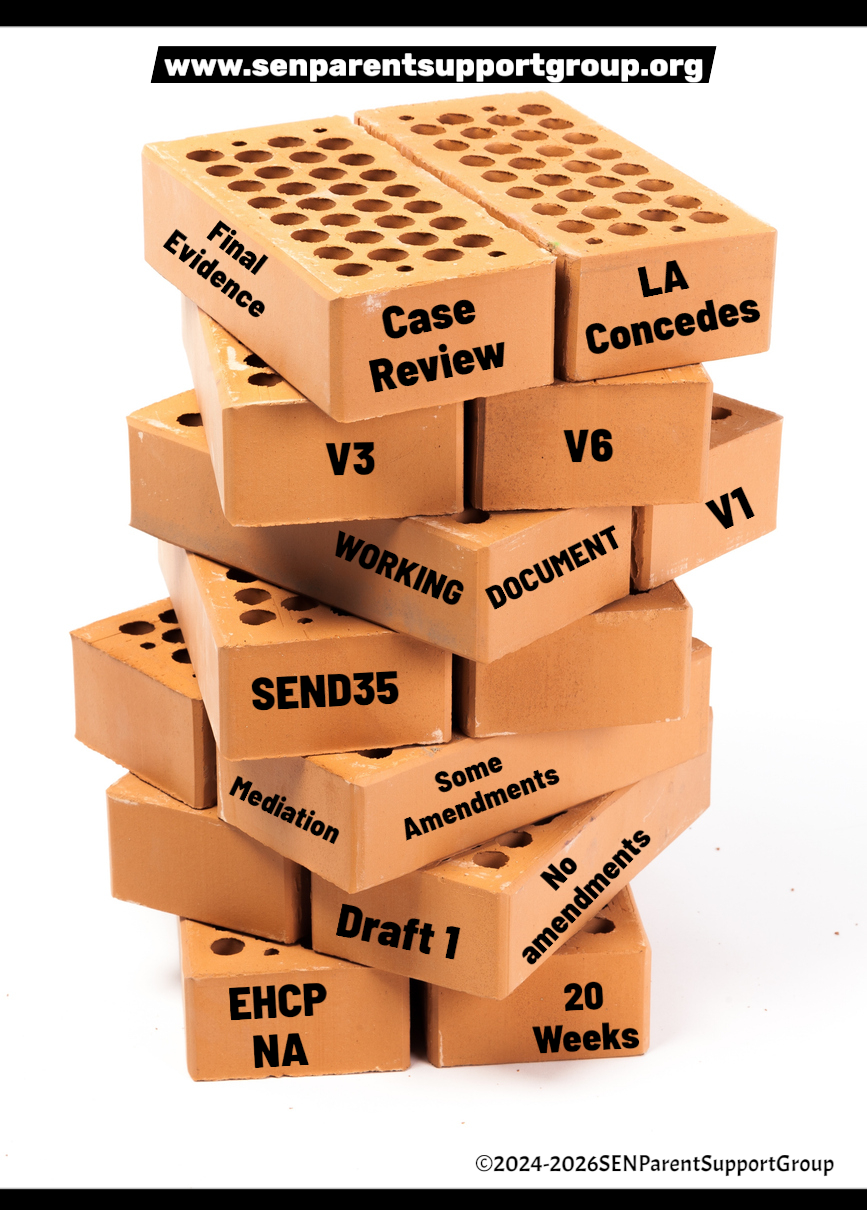
Mediation Matters: Building the EHCP Brick by Brick – SEN Parent Support Group
Even if the Educational Psychologist (EP) report lacks SMART detail, the Local Authority (LA) is legally obligated to make Section F enforceable. Under Section 42 of the Children and Families Act 2014, they must secure provision not just describe it.

Unmasking at 54!
When I was little I had auditory issues and could never settle at night. My Nan used to say I “run a marathon in bed” and she would often always say — if you want to know the truth, ask Andrea!!!! Bless her, she passed a long time ago and we used to stay weekends. Anyway, that was my memory of my childhood in terms of sensitivities.
How to challenge being asked to price or deliver EOTAS: a practical, law‑based guide for parents and carers
You should never be asked to design, price, or fully deliver Education Other Than At School (EOTAS) as a substitute for the local authority’s legal duties. That being said it would seem more and more LA’s are doing this to potentially deliver the bare minimum! This post explains the law parents can rely on, the clear message to give LAs, precise steps to take, and a ready‑to‑use letter you can send today. With the exception of a requested personal budget, do not be pressurised into delivering this.

Judicial Review – What it is?
A judicial review is a court process where the High Court examines whether a public body acted lawfully, fairly and reasonably when making a decision affecting a child or family. The court reviews the decision-making process rather than substituting its own view about what the right outcome should have been.

Working Document’s – HELP!!!!
So you’re standing at the start of the SENDIST track anxious, exhausted, furious, and determined all at once. Good. That mix is exactly what gets results. Tribunals are messy, bureaucratic, and designed to make you feel like you’re arguing with a spreadsheet or the LA can lead you to believe you are actually going crazy! I can assure you – that you are categorically NOT! These are tactics and however impossible it seems the law will eventually be on your side! With the right working document, the right evidence pointers, and support that actually knows the terrain, you can turn chaos into clarity and the process into tangible provision at the end!
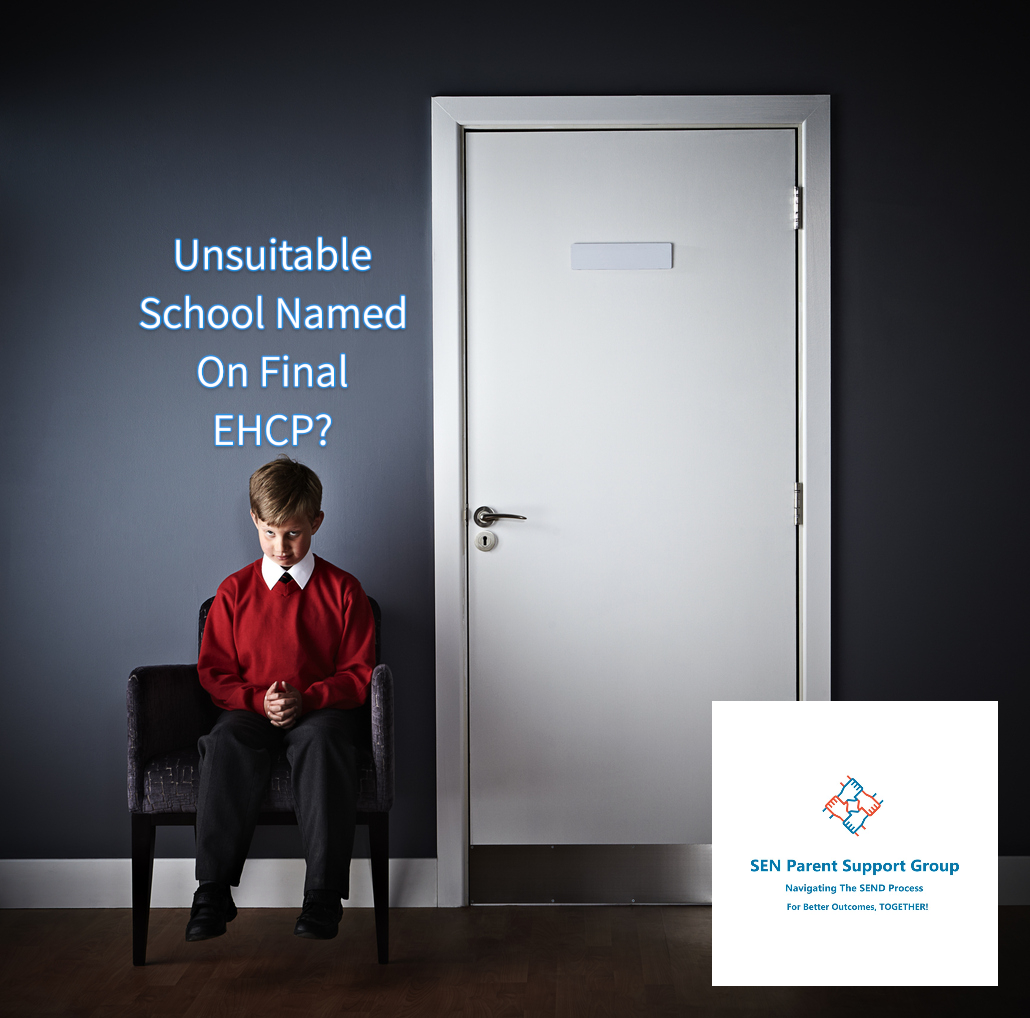
No CYP Should Be Without Education – When A LA Has Named A Unsuitable School In The EHCP.
A child must never be left without education because a local authority has named a school in an EHC plan that the child cannot safely or reasonably attend. A child’s mental health can fray while they wait. Parents carry exhaustion guilt and relentless stress. The law gives you tools to stop the waiting and secure education now!
By SEN Parent Support Group

Holding Public Bodies to Account
SEN Parent Support Group Blog’s are designed to empower parents with both statutory clarity and ethical leverage when challenging unlawful practice:

EHCP’s -Why You Must Never Accept a Substandard Draft!
A sloppy draft is not just inconvenient it’s dangerous. In SEND, vague wording, missing timescales, and soft promises turn into loopholes that deny children the support they need.