No Comments
~26 September 2026
The Department for Education has published the list of topics included in the new national SEND and Inclusion in‑house training package for mainstream schools and post‑16 settings.

The Department for Education has published the list of topics included in the new national SEND and Inclusion in‑house training package for mainstream schools and post‑16 settings.
Masking is not manipulation. It is not “choosing good behaviour”. It is a survival strategy. This guide helps parents recognise masking, respond safely, and evidence it clearly so that school support becomes unavoidable.
What do we do, how do we do it and how can it benefit you? 5 min Read with hyperlinks.
A saveable guide to support your request for Section 19 - by SEN Parent Support Group™
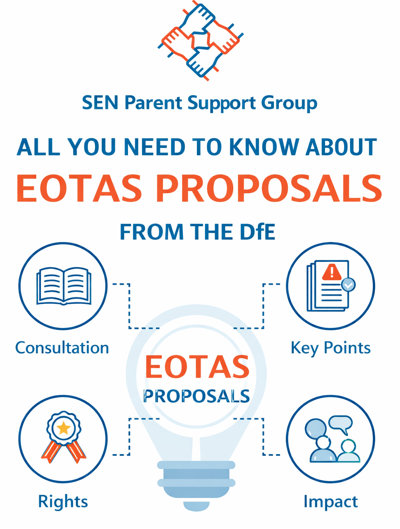
Right now, EOTAS is a direct Local Authority responsibility written into Section F of the EHCP. Under the new model, a school becomes the accountable body even if the child cannot attend that school. The DfE suggests this would “generally be a specialist setting,” not the school where the child previously experienced trauma or placement breakdown.
There’s a lot of confusion about Section 19 once a young person turns 16 especially when they have EBSA, no exams, no attendance, or they’re stuck in the EHCP assessment process. So here’s a clear breakdown for everyone in this situation.
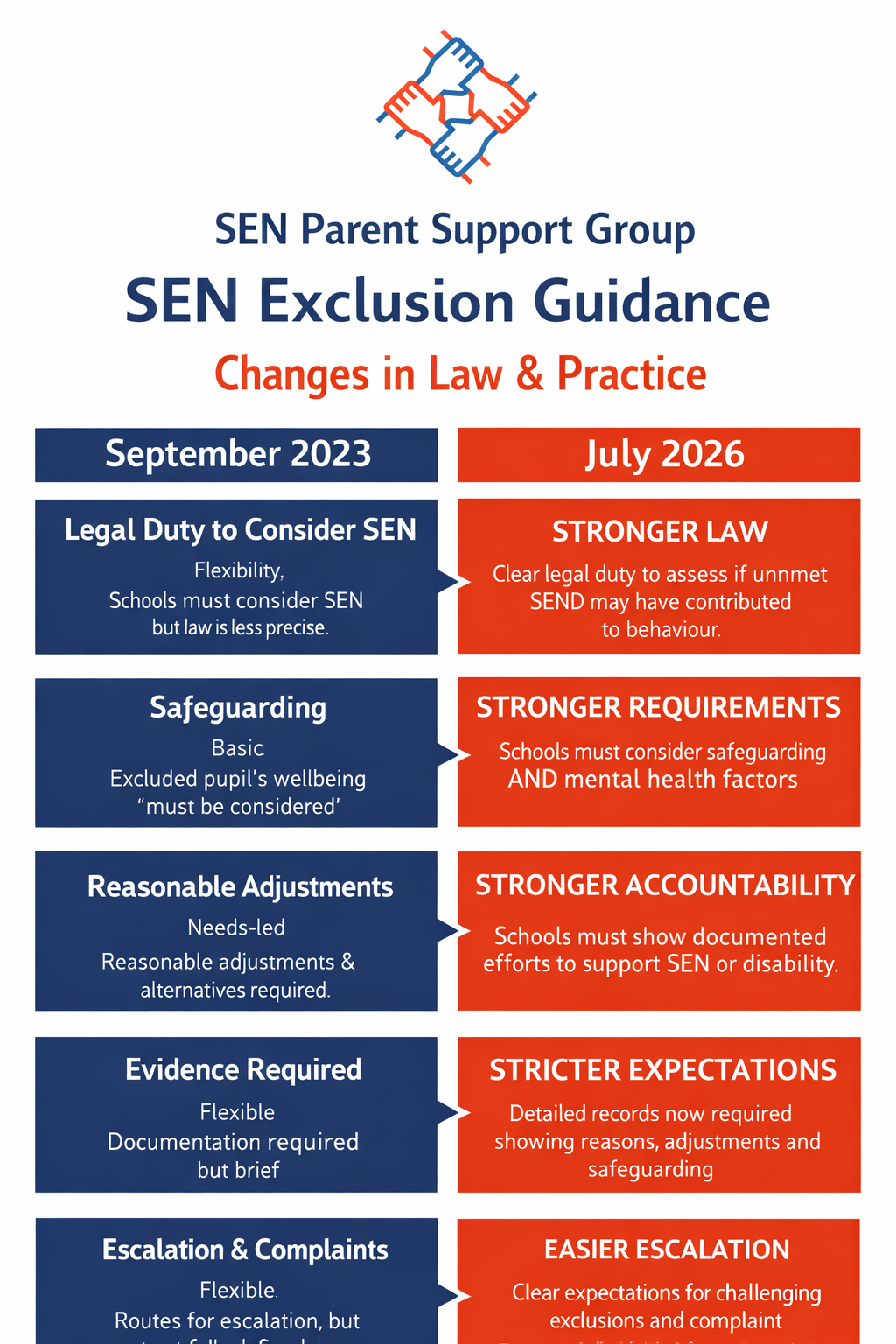
The Department for Education has released a new version of the statutory exclusion guidance, coming into force on 26 July 2026. This update matters for every parent of a child with SEND, because it changes what schools must consider before suspending or permanently excluding a pupil. You will also be pleased to hear that it also...
Schools are being told they’ll be “backed” to enforce strict bans, Ofsted will check compliance, and from June onwards many families are receiving letters announcing zero‑tolerance policies. For most families, this is an inconvenience. For SEND families, it’s a panic. Because for many autistic, ADHD, PDA, or sensory‑sensitive children, a phone isn’t a social device it’s...
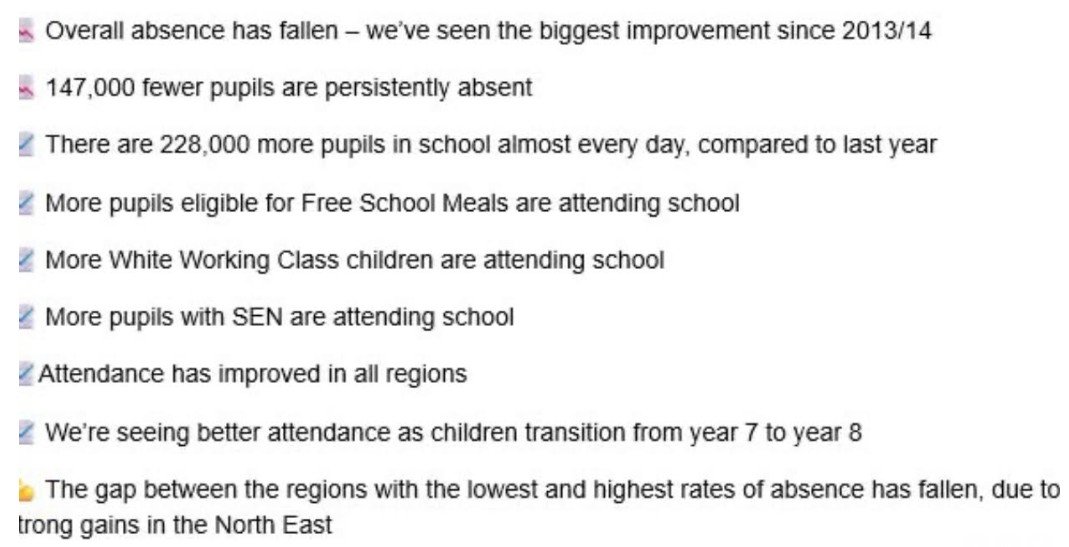
When the Education Secretary posted “this is what progress looks like” and then turned off comments, she highlighted only the most flattering parts of the new DfE attendance statistics. The full dataset tells a more complicated story especially for children with SEND, who sit at the heart of the government’s “inclusion for everyone” reforms.
When a school refuses to request an Education, Health and Care Needs Assessment (EHCNA), it can feel personal, dismissive, and deeply frustrating. But in reality, refusals almost always fall into one of three categories and once you know which one you’re dealing with, you can take clear, strategic next steps. Here are the three reasons a...