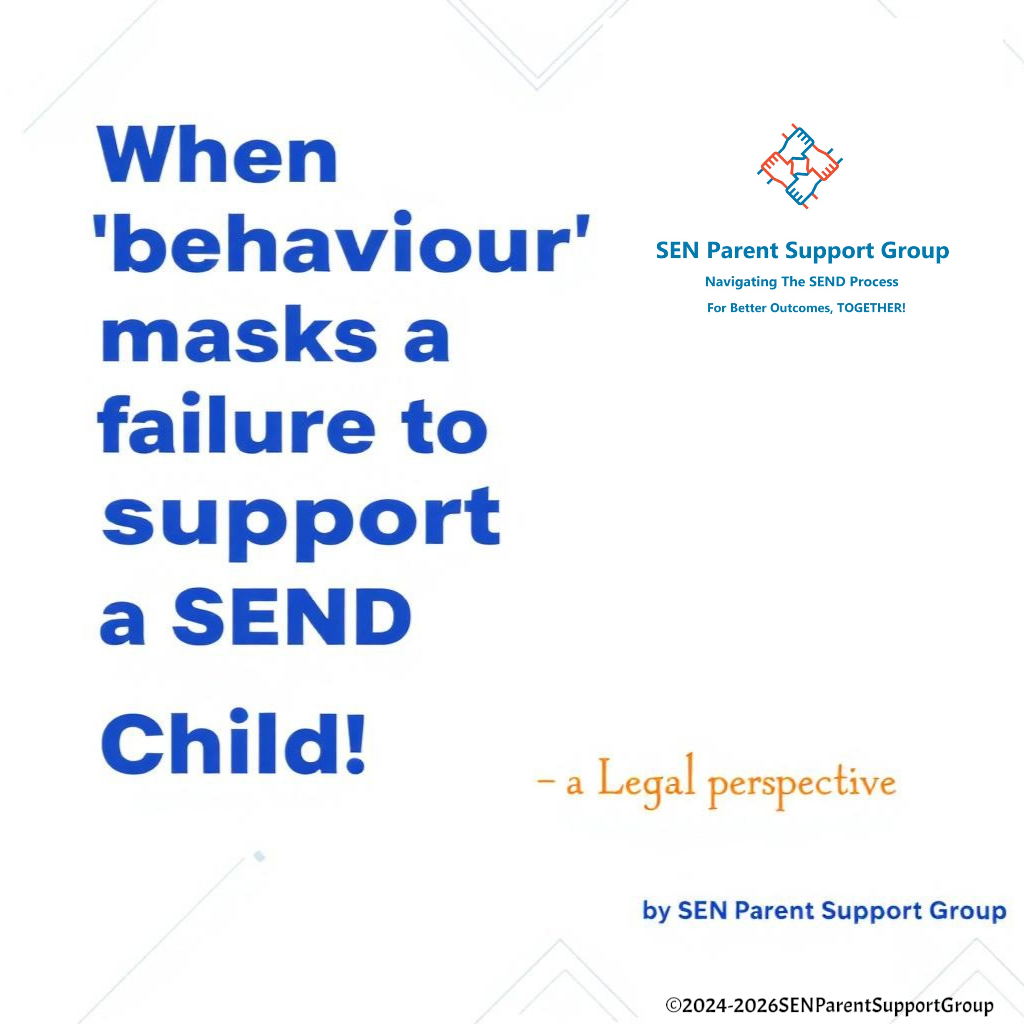
We talk a lot about children’s behaviour not as something to “fix”, but as communication. What we don’t talk about nearly enough is the adult side of the equation.

We talk a lot about children’s behaviour not as something to “fix”, but as communication. What we don’t talk about nearly enough is the adult side of the equation.
Emotionally Based School Avoidance (EBSA) describes when a child or young person struggles to attend school because of anxiety, sensory overwhelm, trauma, unmet neurodivergent needs, or a combination of these factors. Early identification, a strengths‑based graduated response (Assess, Plan, Do, Review — APDR) initiated by schools together with a carefully staged reintegration plan are central to...
You should never be asked to design, price, or fully deliver Education Other Than At School (EOTAS) as a substitute for the local authority’s legal duties. That being said it would seem more and more LA's are doing this to potentially deliver the bare minimum! This post explains the law parents can rely on, the clear...
Parents who ask for clarity, challenge unlawful decisions, or escalate concerns through proper channels are not being vexatious. They are advocating. And when schools or local authorities use this label to silence or side line families, it’s not just unfair it’s unlawful.
Children who haven’t been formally identified with Dyslexia often display a constellation of small but consistent behaviours...
Rejection Sensitive Dysphoria (RSD) is a gut-wrenching emotional reaction to perceived criticism or rejection. For children, especially those with ADHD, hearing “you could do better” or “try again next time” can feel like a personal attack rather than constructive feedback. In a school context where grades, comments, and comparisons are daily currency, RSD can hijack a...
Every day, you balance your own neurodivergent wiring while fighting through layers of SEND jargon, forms, and deadlines - it can feel like trying to run a marathon in quicksand. This blog explores the dual challenge of being ND yourself while navigating SEND bureaucracy, the emotional and cognitive toll it takes, and practical strategies to reclaim...
When a pupil’s behaviour stems from an unmet need such as sensory processing differences, anxiety or trauma, labelling an incident as mere “defiance” without exploring the underlying cause runs counter to the purpose of a policy that exists to deliver fair, safe and inclusive discipline . So, how is that changed for SEND CYP?
By someone who “looks normal” An honest glimpse into neurodivergence through a 12 year old! SEN Parent Support Group Real stories...!
Parents navigating the SEND system don’t need more fluff they need clarity, accuracy, and legal grounding. Our CPD-Certified Parent Training Webinars are designed to deliver exactly that. Whether you're drafting an EHCP, preparing for mediation, or challenging social care decisions, this training suite empowers you with real knowledge that gets results.
Book Your Mentor Support Call Today to kickstart your journey navigating through SEN.
Have questions or need support? Contact us today—we’re here to help you on your SEND journey.
Explore our directory of trusted SEN professionals to find the support your child needs. From Educational Psychologists to Speech and Language Therapists, start your search now and connect with experts ready to help.
SEN Parent Support Group supports parents and carers navigating the SEND journey with resources, advice, and a welcoming community.
© 2020–2025 SEN Parent Support Group™. All Rights Reserved.
No part of this website or its downloadable content may be reproduced, distributed, or transmitted in any form without prior written permission.
This site is governed by the laws of England and Wales.
Designed & Developed By Sprout Hub